How to Renovate a Spanish Revival Home Without Losing Its Character

How to Renovate a Spanish Revival Home Without Losing Its Character
Spanish Revival homes are one of the architectural treasures of Los Angeles. Their thick plaster walls, graceful arches, ironwork, and handcrafted details give them a warmth and character that is difficult to replicate in newer construction.
If you are lucky enough to own one, it is natural to feel protective of its charm. Many homeowners worry that a renovation could erase the very qualities that made them fall in love with the house in the first place.
At the same time, most historic homes need thoughtful updates to function for modern life. Kitchens and bathrooms may need to be reworked, electrical systems often require upgrades, and storage expectations have changed considerably over the past century.
The key is approaching the renovation in a way that respects the architecture while allowing the home to evolve.
Start by understanding the architecture
Before making design decisions, spend time studying the elements that define Spanish Revival homes. Many of these houses were built in the 1920s and 1930s and draw inspiration from Mediterranean and Spanish Colonial architecture.
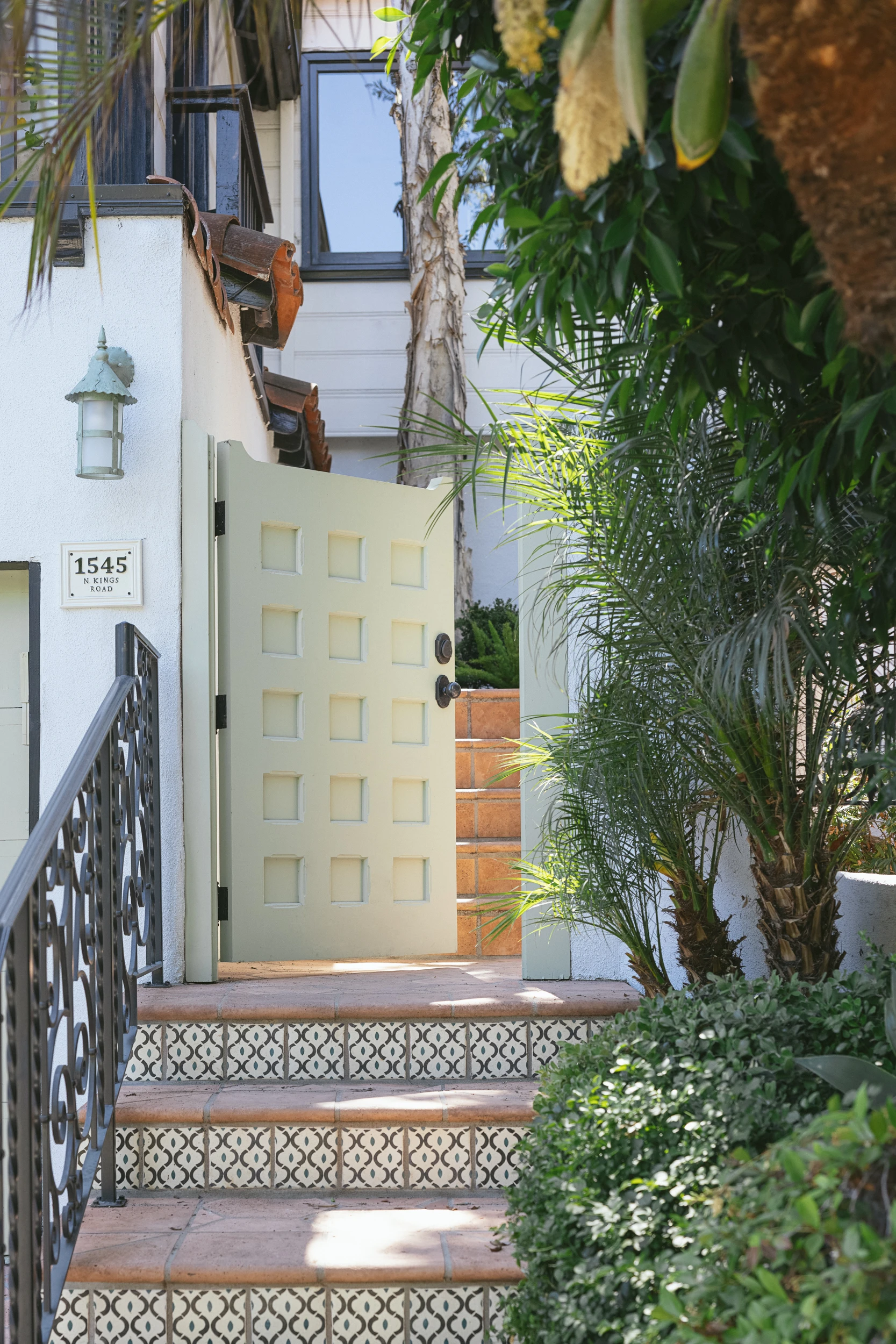
Common characteristics include plaster walls, arched openings, terracotta tile, decorative ironwork, carved wood details, and deeply recessed windows. The materials often feel handmade and textured rather than perfectly smooth or polished.
Understanding these foundational elements helps guide renovation decisions and ensures that new work feels consistent with the home’s original language.
Identify the details that give the home its soul
Every historic home has certain details that contribute to its personality. These are often the features that first capture your attention when you walk through the door.
It might be the original plaster walls, a beautifully proportioned archway, an iron stair railing, or the texture of terracotta tile underfoot. Even small elements like molding profiles or window proportions can play an important role in shaping the overall character of the house.
Take time to notice these details and build a visual vocabulary for the home. Once you understand what makes the architecture special, it becomes much easier to make renovation decisions that feel harmonious rather than disruptive.
Preserve what can be preserved
Modern renovations sometimes favor replacing everything because it is easier and faster to build new. With historic homes, however, restoration often leads to far better results.
Original millwork can often be repaired and replicated rather than removed. Historic windows can sometimes be restored by skilled craftspeople rather than replaced. Decorative plaster details, tile, and ironwork are often worth preserving whenever possible.
Maintaining these elements helps ensure that the renovation enhances the home rather than diminishing its authenticity.
Where modernization makes sense
While preservation is important, most historic homes also need thoughtful updates to support modern living.
Kitchens and bathrooms are often the spaces that benefit most from renovation. Storage can be improved, appliances can be integrated more seamlessly, and layouts can be adjusted to better suit contemporary lifestyles.
Electrical systems, insulation, and plumbing may also require upgrades to meet modern standards. These improvements are often invisible once completed but make a significant difference in how comfortably the home functions.
The goal is not to freeze the house in time, but to modernize it in a way that still feels appropriate to the architecture.
Choose materials that complement the architecture
Material choices play an enormous role in whether a renovation feels authentic.
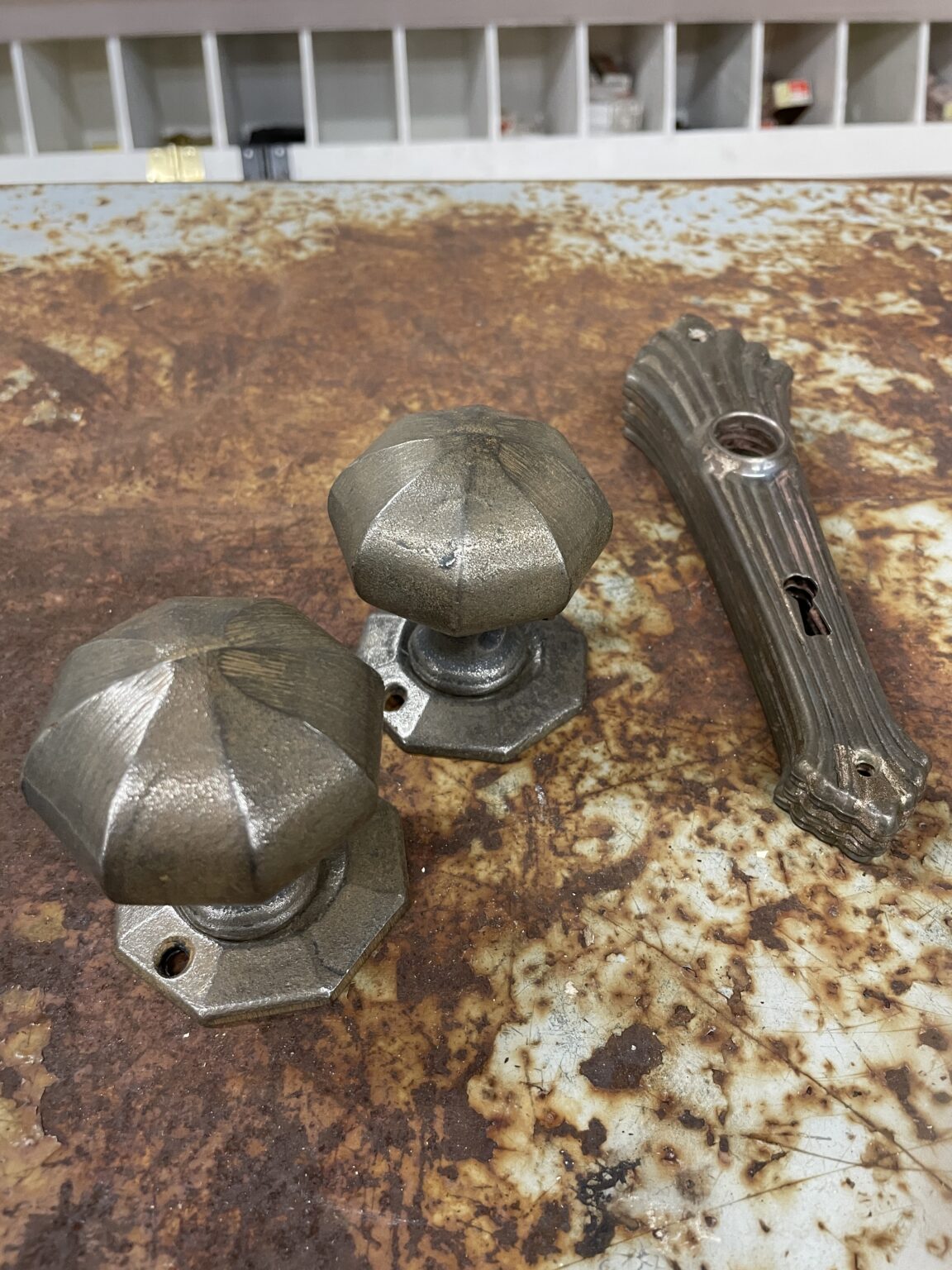
Spanish Revival homes often respond well to natural, textured materials such as terracotta tile, handmade ceramic tile, natural stone, lime plaster, and aged brass. These materials have depth and variation that echo the craftsmanship of the original construction.
Highly polished or overly sleek finishes can sometimes feel out of place in these homes. Selecting materials with warmth and texture helps maintain a sense of continuity between old and new.
Be especially careful with doors and windows
Doors and windows have an outsized impact on how authentic a historic home feels. Replacing them without careful consideration is one of the fastest ways to make a Spanish Revival house feel noticeably altered.
If possible, restoring original windows is often the best option. In Southern California, there are skilled specialists who focus on repairing historic windows.
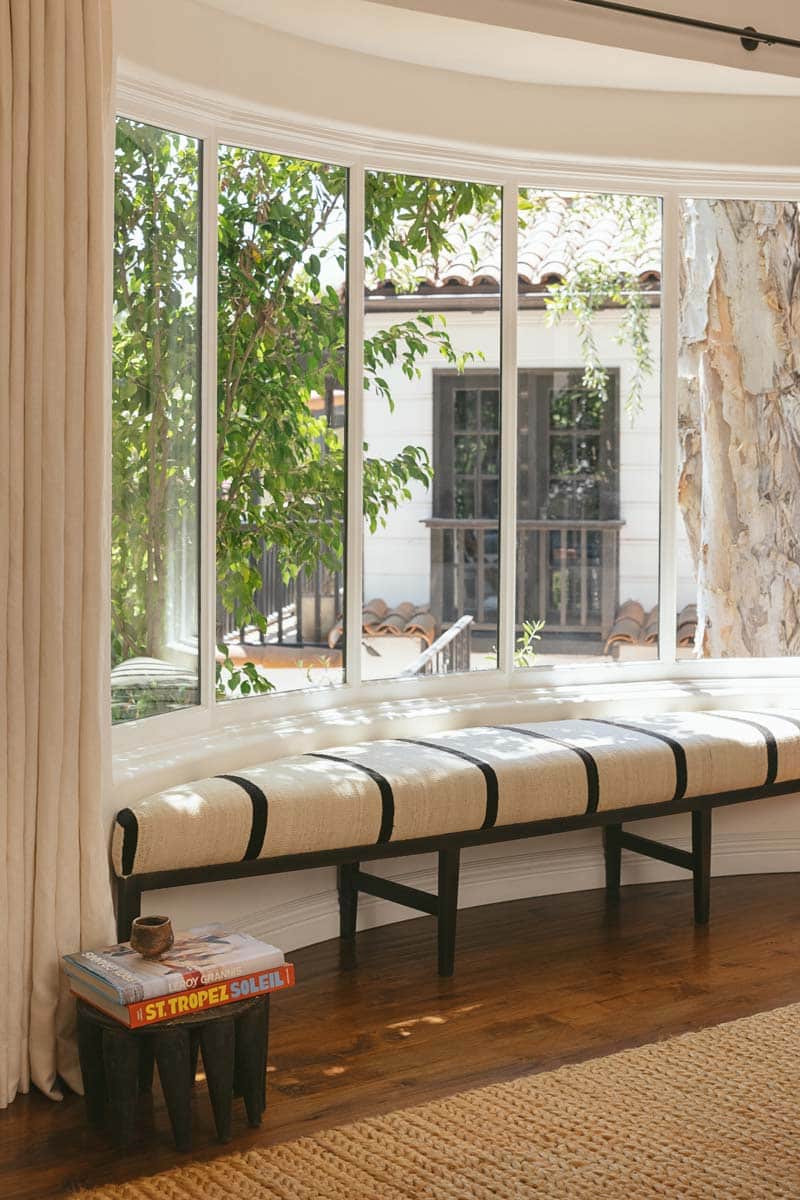
If replacement becomes necessary for energy performance or code reasons, pay close attention to the original proportions. The thickness of the frames, the pattern of the mullions, and the materials used all contribute to the visual integrity of the home.
A thoughtful balance between past and present
Renovating a Spanish Revival home is ultimately about balance. The goal is not to recreate a museum piece, but to allow the home to evolve while preserving the qualities that give it character.
When renovations are approached thoughtfully, modern updates can coexist beautifully with historic architecture. Kitchens can become more functional, bathrooms more comfortable, and living spaces more suited to contemporary life, all while maintaining the warmth and charm that make these homes so special.
If you are considering renovating a Spanish Revival home and would like guidance on preserving its architectural character, you can learn more about our renovation services or schedule a complimentary discovery call with our interior designers.
