Modernizing A Kitchen Without Losing The Soul Of Your Home

MODERNIZING A KITCHEN
WITHOUT LOSING THE
SOUL OF YOUR HOME
One of the questions we hear most often is how to update a kitchen without erasing the character that made the house special in the first place. The goal is not to make an old home feel brand new. The goal is to make it function for how we live today while respecting the language of the house.
Here are a few principles we return to often when approaching a kitchen renovation.
Start by studying the house
Before selecting finishes or appliances, spend time paying attention to the details that already exist. These are the clues that tell you how the house wants to evolve.
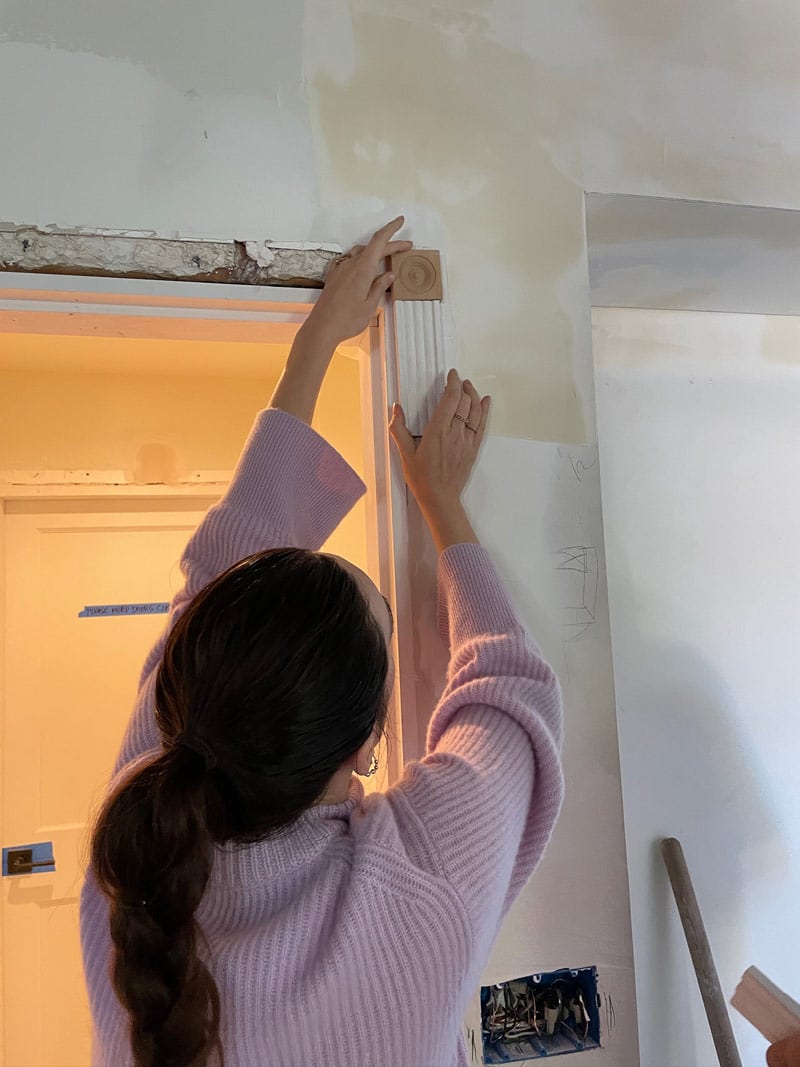
Look closely at things like the window trim, the shape of the casing, the proportion of the doors, or the original flooring. If there is tile, notice whether it feels glossy or earthy, formal or playful. Small details like these reveal the character of the home.
Once you begin to notice them, you can start to carry that language forward into the kitchen. It might influence the shape of cabinet doors, the edge detail of a countertop, or the color palette of the room.
Look beyond the algorithm
Pinterest and Instagram are helpful tools, but they tend to repeat the same ideas. When we are researching for a project, we often turn to books, archives, and older design references.
Libraries and bookshops are surprisingly valuable sources of inspiration. Looking through older interiors can help you understand how materials were used historically and what feels appropriate for the era of your home. It also helps you avoid designing a kitchen that feels overly trendy.
Think about the whole house
When clients renovate a kitchen, it is easy to fall in love with a specific material or fixture. Sometimes the most beautiful option on its own is not the right one for the space.
If maintaining authenticity is the goal, it helps to zoom out and consider the entire home. The kitchen should feel like it belongs to the house rather than standing apart from it. Harmony and continuity usually matter more than a single standout feature.
Let appliances disappear
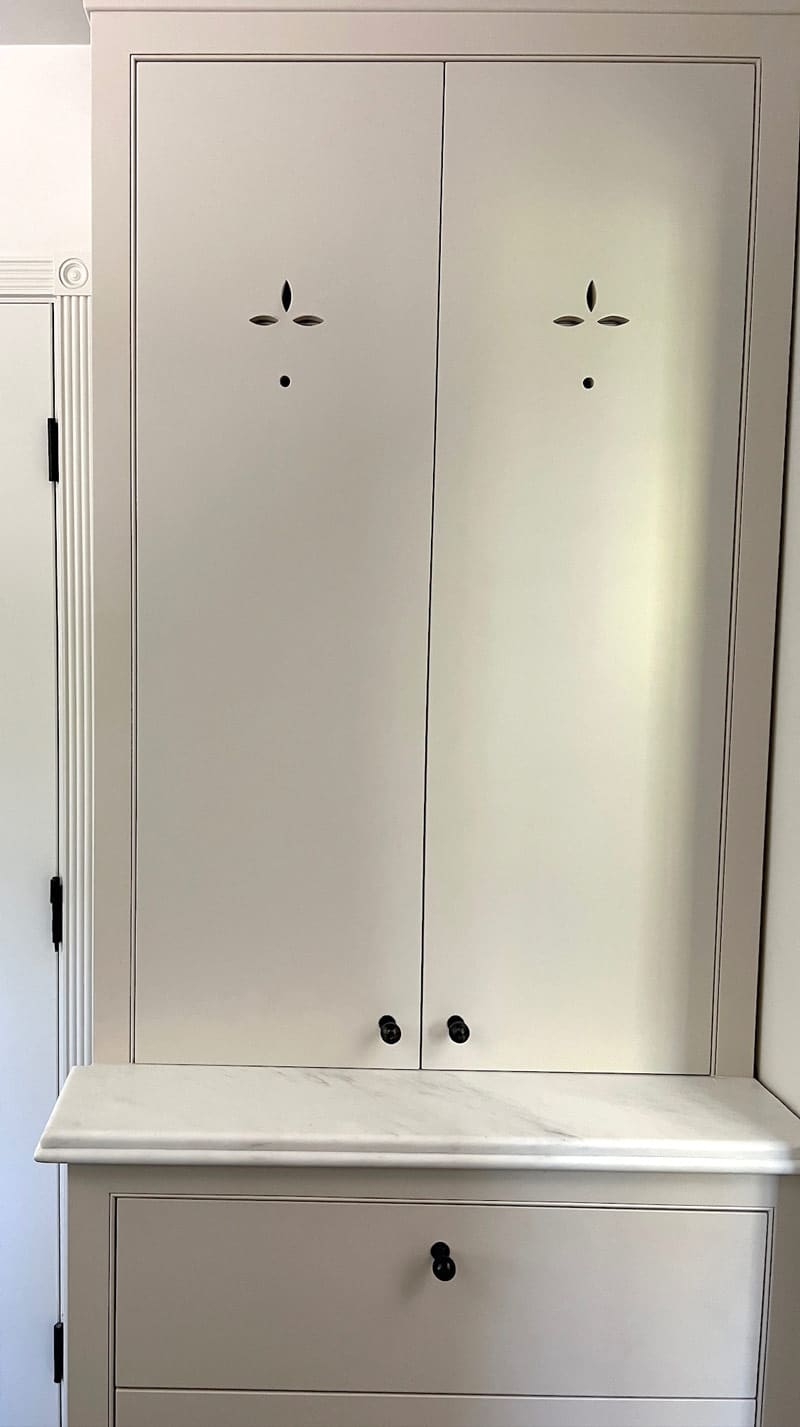
Modern appliances are one of the easiest ways to improve the functionality of a kitchen. We often prefer panel ready appliances because they allow the cabinetry to remain the visual focus of the room.
When appliances blend into the millwork, the space tends to feel calmer and more architectural. It also prevents large stainless steel surfaces from interrupting the character of the room.
Build smarter storage
Older homes were not designed for the amount of storage we expect today. A thoughtful renovation can quietly solve this.
Integrated pantry cabinets, deep drawers, and concealed storage can dramatically improve how the kitchen functions. The key is to design these solutions so they feel natural within the architecture rather than overly built in or bulky.
Treat hardware like jewelry
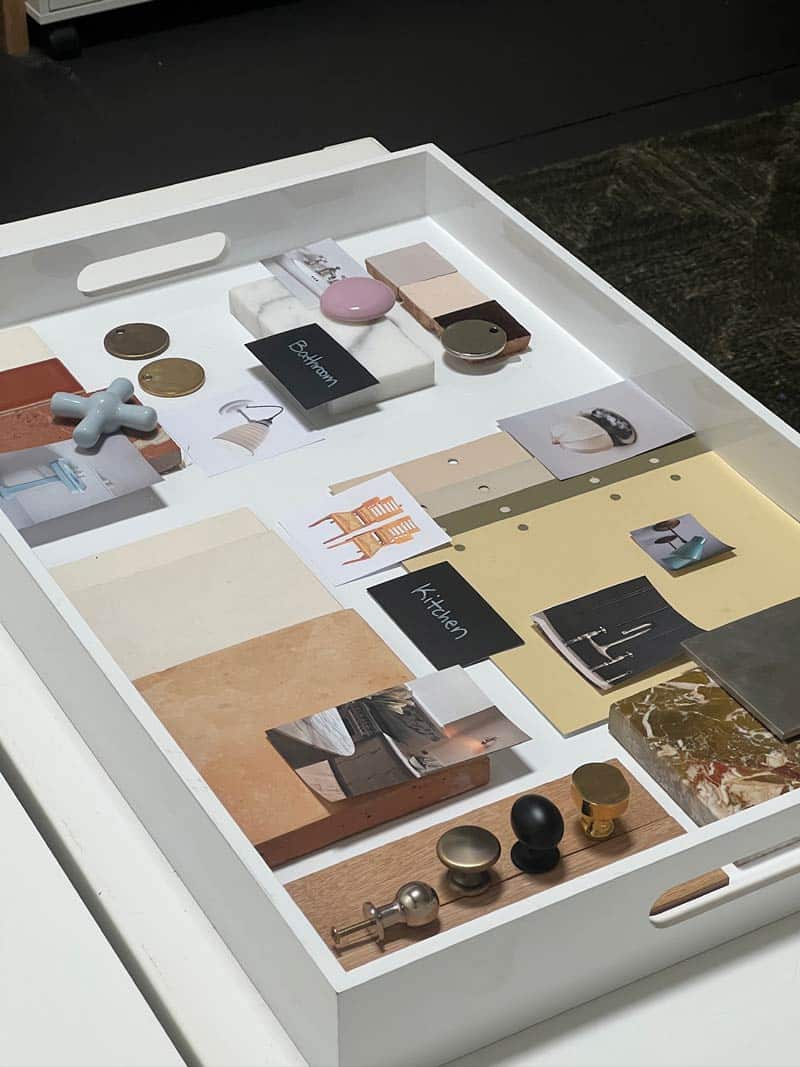
Hardware may be a small detail, but it has an outsized impact. Cabinet pulls and knobs are one of the easiest ways to connect a new kitchen to the age of the home.
We often look for vintage or vintage inspired hardware. Architectural salvage stores are wonderful places to find pieces with real history. Online sources like Etsy and Ebay can also be surprisingly good for vintage and reproduction options. Some reliable modern manufacturers include Gold Lion, Van Dyke’s, and Rejuvenation.
Be intentional about outlets and switches
Modern kitchens require many more outlets than older homes ever anticipated. Planning their placement early is important.
Try to locate them where they are accessible but visually discreet. When they inevitably become part of the design, choosing beautiful switch plates can make a difference. Companies like Forbes and Lomax and Corston make well crafted options that feel more in line with traditional homes.
Small details make the biggest difference
Elements like trim profiles, cabinet hardware, and door or window details quietly shape how a kitchen feels. Thoughtful choices in these areas often matter more than larger gestures.
When those details are considered carefully, the result is a kitchen that feels updated yet still rooted in the architecture of the home.
Planning a renovation?
If you are planning a kitchen or home renovation and would like guidance navigating the design and construction process, you can learn more about our renovation services or schedule a complimentary discovery call.
