How Much Does a Kitchen Renovation Cost in Los Angeles?


How Much Does a Kitchen Renovation Cost in Los Angeles?
One of the first questions homeowners ask when planning a renovation is how much it will cost. Kitchen renovations in Los Angeles can vary widely in price, which can make budgeting feel overwhelming at the outset.
While every project is different, having a general understanding of typical costs and the factors that influence them can make the planning process far more manageable.
Typical kitchen renovation cost ranges
In Los Angeles, kitchen renovations tend to fall within a broad range depending on the level of work involved.
A cosmetic update or mid range renovation, where the layout largely stays the same but finishes, cabinetry, appliances, and surfaces are upgraded, can range from $50,000 to $150,000.
A more extensive or higher end renovation, particularly one that involves layout changes, custom cabinetry, and premium materials, may fall anywhere between $150,000 and $400,000 or more.
Older homes can also require electrical, plumbing, or structural upgrades once construction begins, which can influence the final cost of the project.
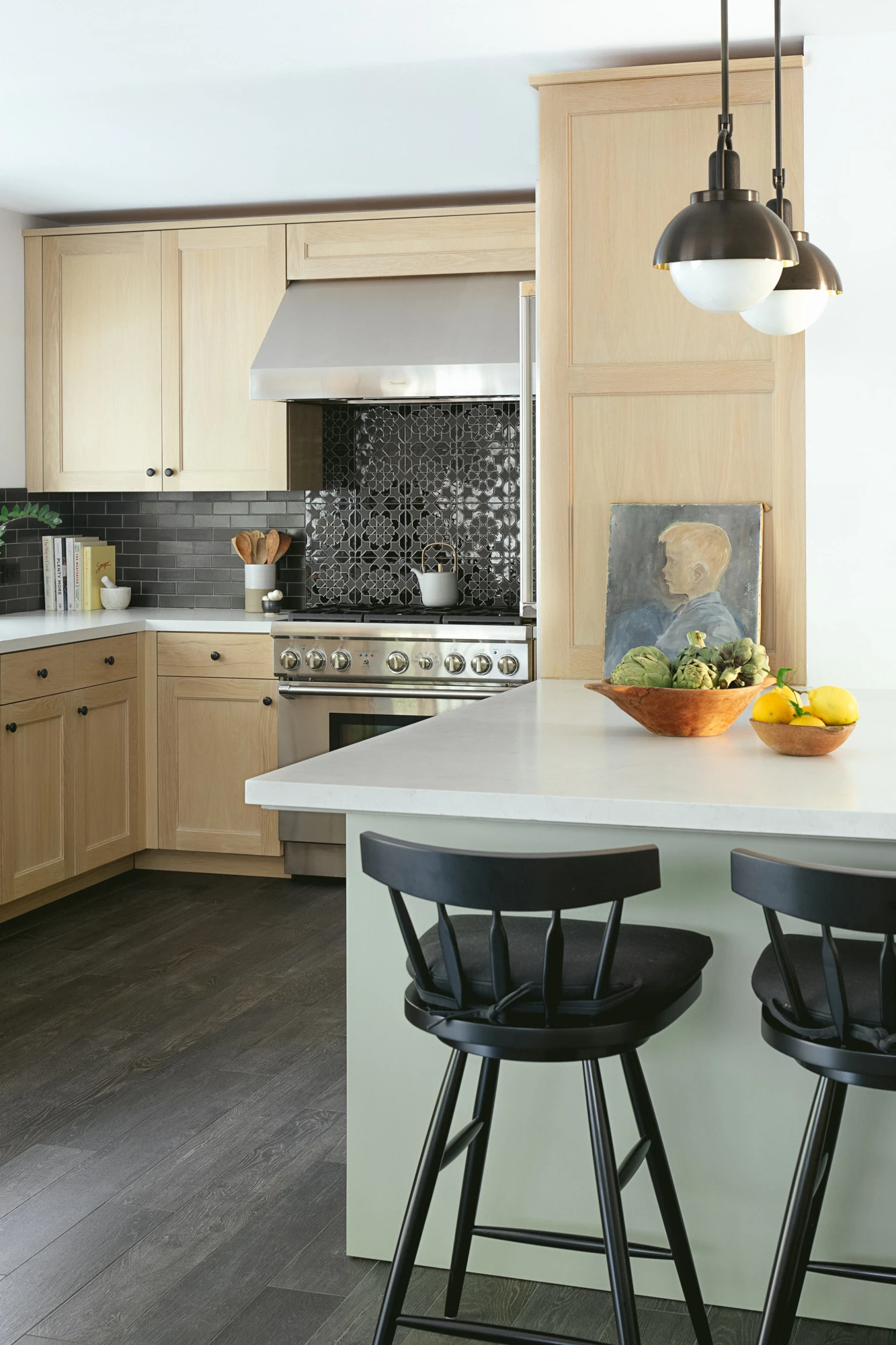

The factors that influence kitchen renovation costs
Several elements play a major role in determining the overall cost of a kitchen renovation.
Layout
One of the biggest cost drivers is whether the existing layout remains the same.
Moving plumbing, gas lines, or electrical locations adds complexity and labor to the project. Creating new openings, adding windows, or reframing walls can also increase construction costs.
That said, layout is also one of the most important aspects of a successful kitchen renovation. A kitchen that functions well will always feel more successful than one that simply looks beautiful but does not work well for daily life.
Appliances
Appliances can vary significantly in price depending on the brands and features you choose.
Professional appliances and integrated refrigeration systems can represent a meaningful portion of the renovation budget. Fortunately, this is one area where pricing is relatively transparent. Browsing appliances online or visiting showrooms can give you a clear sense of price ranges before making decisions.
Flooring
Flooring is another factor that can affect the scope of the renovation. If existing flooring can be preserved, this can help control costs. If the flooring needs to be replaced or extended into adjacent rooms, the budget will need to account for both material and installation.
Cabinetry
Cabinetry is often the largest investment in a kitchen renovation.
Custom cabinetry typically ranges from $500 to $1,500 per linear foot, depending on the level of customization, materials, and craftsmanship involved. Because cabinetry defines both the functionality and visual character of the kitchen, it is often one of the areas where thoughtful investment has the greatest impact.
Countertops
Countertop materials can also vary widely in price.
If you are considering natural stone, slabs can range anywhere from $1,500 to $5,000 per slab, depending on the material and rarity of the stone.
We often gravitate toward natural stone because of the depth, variation, and character it brings to a space. Other materials such as wood or metal can also be beautiful options, and mixing materials can create visual interest. For example, an island might feature one material while perimeter worktops use another.
Hidden costs homeowners often overlook
When planning a renovation budget, it is easy to focus on the major elements like cabinetry, appliances, and countertops. However, smaller items can add up quickly.
Cabinet hardware, plumbing fixtures, lighting, switch plates, delivery fees, and installation costs are often overlooked early in the planning process but can meaningfully influence the final cost.
Permits, engineering, and design fees should also be considered when establishing the full project budget.
Planning for the unexpected
Renovations almost always reveal something unexpected once construction begins. This is especially true in older homes where electrical, plumbing, or structural systems may need updating once walls are opened.
For this reason, it is wise to set aside a contingency within the renovation budget. Many projects allocate an additional 10 to 15 percent of the construction budget to address unforeseen conditions.
Planning for these possibilities early makes the renovation process much less stressful.
Prioritizing your budget
Ultimately, the most important step in planning a kitchen renovation is deciding what matters most to you.
Some homeowners prefer to prioritize custom cabinetry and layout improvements, while others focus on appliances or material selections. Understanding your priorities helps guide how the budget is allocated across the project.
A thoughtful renovation is rarely about investing in everything at once. Instead, it is about making deliberate decisions about where resources will have the greatest impact.

Considering a kitchen renovation?
If you are planning a kitchen renovation and would like guidance navigating the design and construction process, you can learn more about our renovation services or schedule a complimentary discovery call with one of our interior designers.
