How to Renovate a Historic Home Without Losing Its Character

How to Renovate a Historic Home Without Losing Its Character
If you are lucky enough to own a home with historical charm and architectural detailing, it is natural to feel protective of its character. These are often the elements that drew you to the house in the first place. At the same time, planning a renovation can feel daunting. With so many design decisions to make, it is easy to worry that the wrong choices could diminish the spirit of the home.
Of course, some updates are inevitable as our needs evolve. Kitchens and bathrooms must function for modern life, electrical systems need to meet current standards, and storage expectations have changed over time. The challenge is finding ways to renovate a historic home while preserving the qualities that make it special.
So how do you approach a renovation in a way that feels thoughtful and authentic?
Pay attention to what you already love
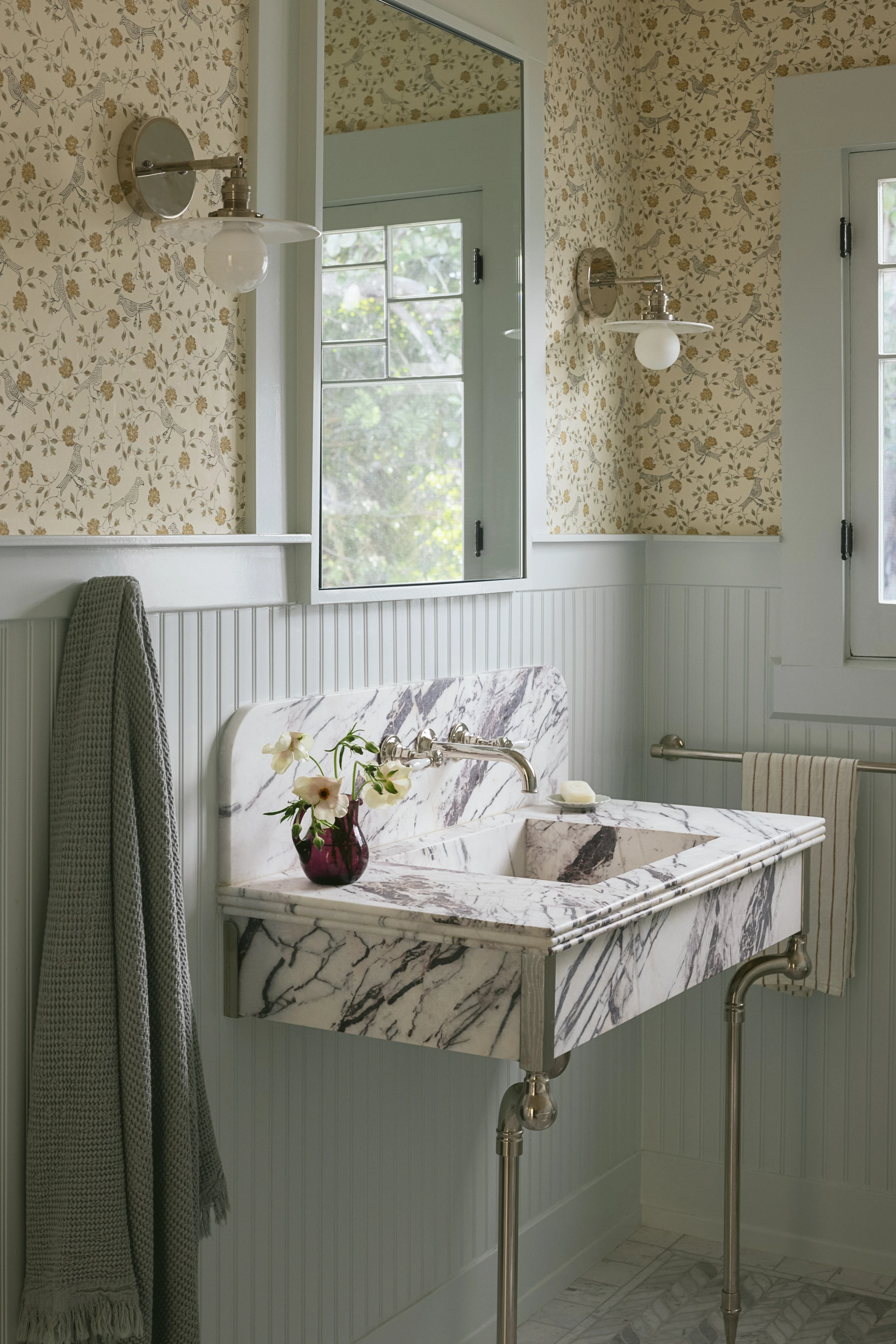
Start by carefully observing the details that give the home its character. Is it the original plaster or stucco work, the windows, the ironwork, or the millwork? Perhaps it is the bead detailing in the moldings, the proportions of the doors, or the texture and color of the materials.
Look closely at the shapes, finishes, and craftsmanship that define the space. By identifying these elements, you begin to build a visual vocabulary for the house. This becomes a guide when making new design decisions, helping ensure that additions feel consistent with the architecture that already exists.
Understand what is working and what is not
Part of renovating an older home is recognizing where thoughtful improvements can be made.
You may love the millwork in the house, but perhaps there is not enough of it, or the layout no longer functions for modern living. Maybe the fireplace has beautiful proportions, but a previous renovation introduced materials that do not feel appropriate.
Modern construction often favors replacing everything because it is easier to build new than restore what is there. With historic homes, however, a more nuanced approach often leads to better results. Existing millwork may be restored and replicated to extend throughout the home. A poorly chosen tile surround might be replaced with something more historically appropriate.
The goal is not to preserve everything exactly as it is, but to understand what deserves to remain and what can be thoughtfully improved.
Look beyond the algorithm when researching
Online platforms like Pinterest and Instagram can be helpful starting points, but the algorithm often shows the same ideas repeatedly. When renovating older homes, it can be especially valuable to look beyond current trends.
Books, design archives, and older interiors can provide insight into how materials and details were historically used. Visiting libraries or bookshops can uncover references that feel much more aligned with the architecture of an older home.
Researching the architectural style of your house can also help guide decisions about materials, finishes, and proportions.
Be thoughtful about doors and windows
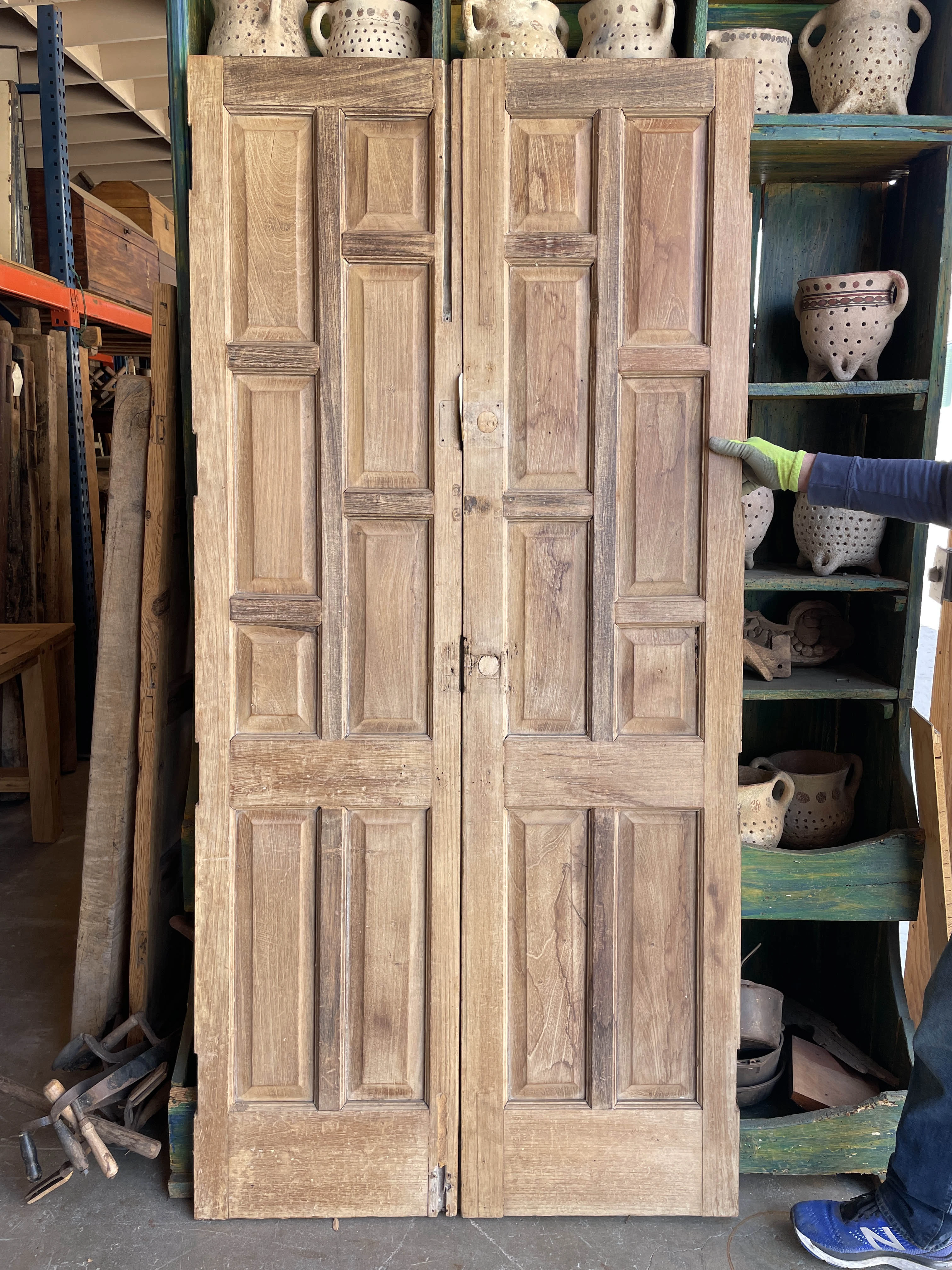
Doors and windows have an enormous impact on how authentic an older home feels. Replacing them without careful consideration is one of the fastest ways to make a historic house look noticeably retrofitted.
If possible, consider restoring existing windows rather than replacing them. In Southern California there are skilled craftspeople who specialize in repairing and rehabilitating historic windows.
If replacement is necessary, for example to meet energy requirements or improve insulation and sound control, pay close attention to the original details. Study the materials, how the mullions divide the glass panes, and the thickness of the frames. These subtle proportions make a significant difference in maintaining the character of the home.
Treat hardware as an opportunity to reinforce character
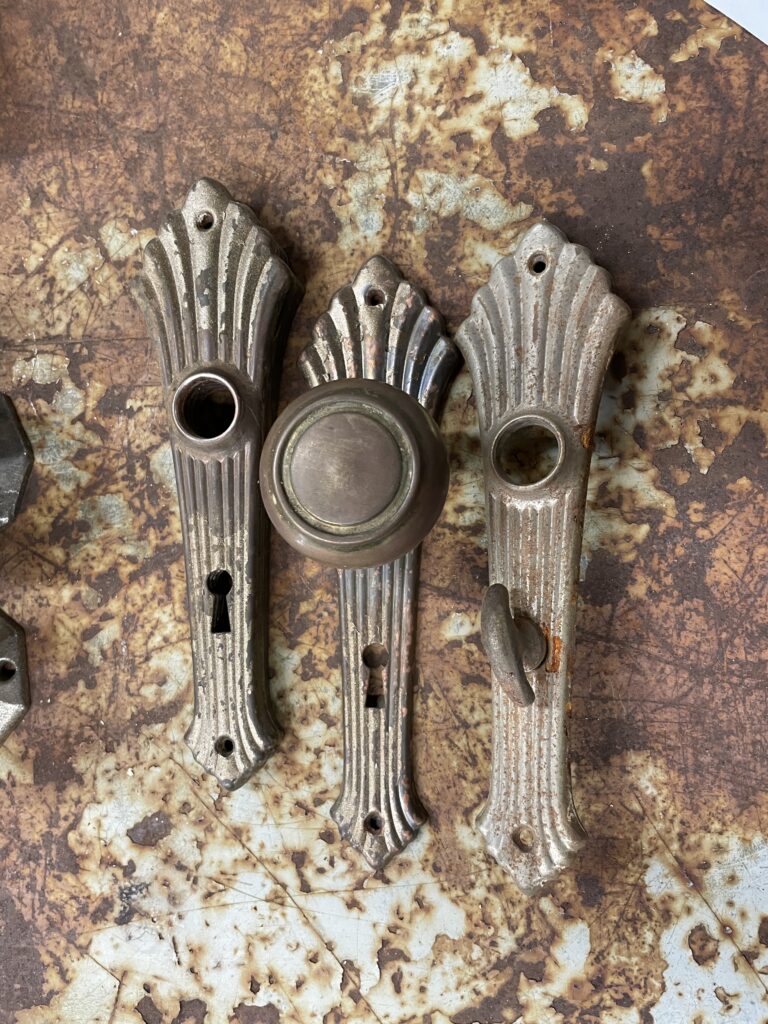
Hardware is often described as the jewelry of a home, and in historic houses it can play an important role in tying old and new elements together.
Vintage or vintage inspired hardware can bridge the gap between modern updates and the home’s original character. Architectural salvage stores are wonderful places to find pieces with real history, and online marketplaces like Etsy or Ebay can also be great sources.
Several manufacturers, including Gold Lion, Van Dyke’s, and Rejuvenation, produce well crafted reproduction hardware that works beautifully in older homes.
A thoughtful balance between past and present
Renovating a historic home is rarely about freezing it in time. Instead, it is about understanding the qualities that make the house special and allowing those characteristics to guide how it evolves.
When updates are made with care and attention to detail, a renovation can enhance the character of the home rather than diminish it. The result is a space that continues to feel rooted in its history while functioning comfortably for modern life.
Planning a Renovation?
If you are planning a renovation and would like guidance on preserving the architectural character of your home, you can learn more about our approach to renovation projects on our services page or schedule a complimentary discovery call with one of our interior design specialists.
